
Satellite data indicate over 2,500 U.S. dams are in poor condition

Dams across the United States are aging and underfunded, with geoscientists reporting that over 2,500 of the more than 16,700 structures in the country are classified as high hazard potentials and in “poor condition,” a designation referring to dams that would cause significant death and destruction if compromised. The U.S. has over 92,000 dams serving hydroelectric power, drinking water, and environmental protection, most of which were built in the 1950s and 1960s; the average facility age is 61 years, and an estimated seven out of 10 dams are at least 50 years old. The Association for State Dam Safety Officials estimates over $165 billion is needed for repairs, while federal funding currently covers only a fraction of that amount. “Without a more significant commitment to dam safety…the cost to bring the nation’s dams into a state of good repair will continue to rise and downstream communities will face a greater risk of danger from potential dam failure,” the American Society of Civil Engineers concluded in its 2025 annual assessment.

Virginia Tech geoscientist Mohammad Khorrami organized a team to conduct a nationwide assessment of dam structural integrity using Interferometric Synthetic Aperture Radar to examine how many high-risk dams have sunk into the ground over the past decade. The team focused on hydroelectric structures due to their roles for downstream communities and dependent infrastructure. In many cases, dams thought to be stabilized were observed to continue sinking. “I want to emphasize that this is a preliminary result. We need to do further analysis to have a concrete answer,” said Virginia Tech geoscientist Manoochehr Shirzaei. “But some of the observations may suggest that some of these infrastructures are undergoing internal degradation.”
The team cited the Roanoke Rapids dam in North Carolina, where their findings aligned with prior inspections showing the dam’s northern face is slowly sinking; without repairs, structural concrete could crack, threatening a nearby town of over 15,000 residents. Khorrami warned that a catastrophic failure would be “a disaster” today, with consequences extending beyond local communities. “Some of the dams actually serve as a sub-buffer for water that’s used for agriculture and for electricity production,” said Shirzaei. “Those dams can create a ripple effect if they fail that can impact the national economy.”
The researchers noted that mitigation remains possible. Citing a complimentary paper published earlier in the year, Khorrami attributed a large share of dam compromise to poor local management and maintenance. “Almost 40-50 percent [of risk] is something that is in our hands,” he said. “It’s difficult to address all of these dams. If you cannot financially take care of all of them at the same time, we can provide the priority dams.”
Source: AGU
Want to read more like this story?

Dam Engineering
Apr, 10, 2020 | EducationA dam is an infrastructure system that consists of several structures with the intent to collect,...

Michigan dam failures raise concerns about United States deteriorating infrastructure
May, 19, 2020 | NewsOn May 19, 2020, two dams in Michigan breached causing extensive flooding and infrastructure damage...
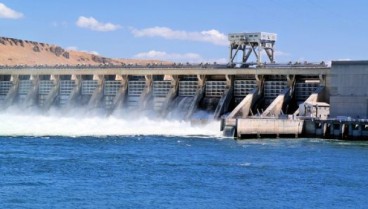
May 31st is National Dam Safety Awareness Day in America
May, 31, 2016 | NewsOn the May 31st we commemorate the significant role dams play in American life. From providing nearl...

Savings in removing over repairing dams
Jul, 09, 2018 | NewsDam removal has become a mainstream option for dam safety management restoring river, coastal ecosys...

Over 1,680 dams in the United States are considered to be high hazard
Dec, 10, 2019 | NewsAccording to extended research conducted by the Associated Press, 1,688 dams located in 44 states a...
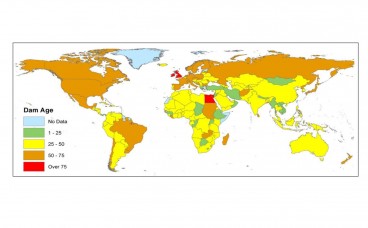
Aging dam infrastructure: A severe future threat
Jan, 22, 2021 | NewsAccording to a new report, issued by the United Nations University, aging water storage facilities...

Dam Safety Association Presents Annual Awards
Nov, 27, 2006 | NewsAt each annual conference, the Association of State Dam Safety Officials recognizes individuals who...
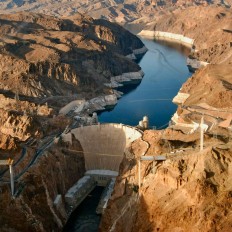
History of the Hoover Dam
Jun, 30, 2020 | NewsIntroduction Hoover Dam is the tallest arch dam constructed in the United States and forms one of...

China considers shutting down numerous dam facilities
Sep, 04, 2021 | NewsBy 2019, China had constructed nearly 24,000 large dams (41% of the total large dams worldwide). Cu...
On This Day
August 22nd 1891
READ MORE
Related Video

Trending

China's Three Gorges Dam under pressure: Flood hazard downstream

Functional requirements of foundation structures


Landslide in Papua New Guinea: At least 12 people dead

Major wastewater tunnel procurement begins in southern Sweden