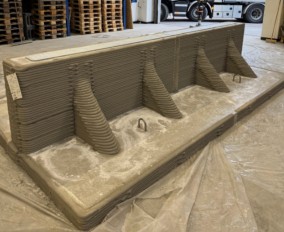
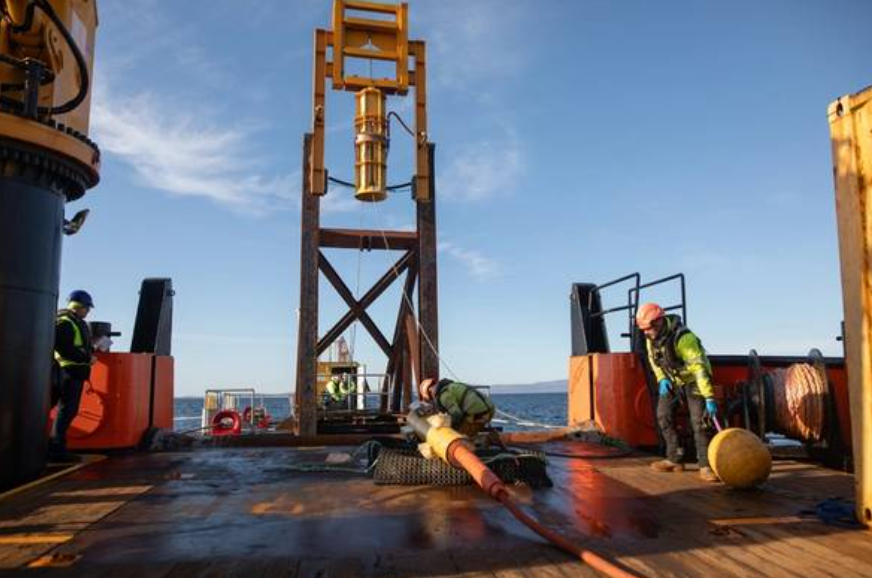
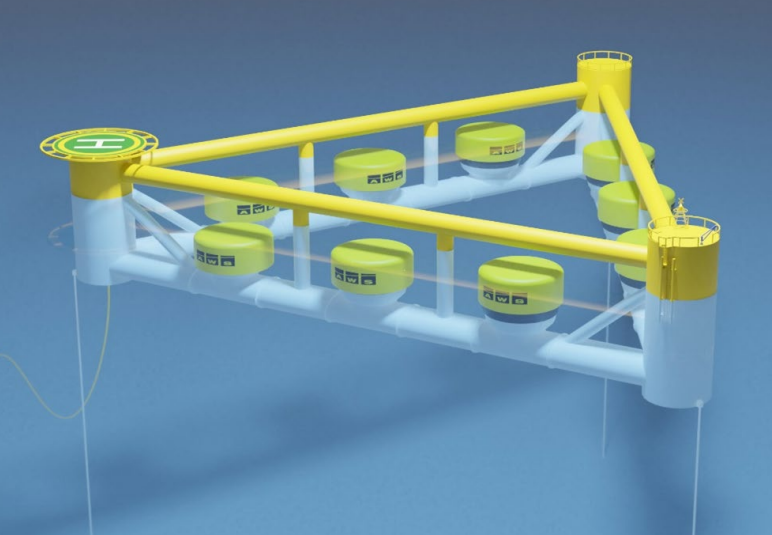
New connector aims to reduce downtime and enhance safety in floating offshore wind farms

Sources: oedigital.com, offshore-energy.biz, waveenergyscotland.co.uk
Want to read more like this story?

The Rise of Offshore Wind Energy and the Role of Geotechnical Modelling with PLAXIS and SACS
Nov, 03, 2025 | NewsOffshore wind energy has emerged as a cornerstone in the global transition toward sustainable energ...

PLAXIS-Powered Geotechnical Solutions for Wind Energy: Onshore, Offshore, and Floating Systems
Jul, 30, 2025 | EventIn the second webinar of the Green Energies series, we will focus on the geotechnical analysis and...

First US offshore wind farm under construction!
Apr, 30, 2015 | NewsThe construction of the first offshore wind farm has just started on US ground in Block Island , a s...

The New Flagship of Offshore Site Investigation
Apr, 30, 2025 | NewsA new chapter in offshore geotechnical investigation begins with the launch of Bridgewater Discove...

GriffinLink project signals shift toward integrated European offshore power grids
Jan, 26, 2026 | NewsThe United Kingdom and Germany have announced plans to jointly develop GriffinLink, a proposed mult...

World’s first floating wind farm powers up offshore Scotland
Oct, 20, 2017 | NewsThe world's first floating wind farm recently started to deliver electricity off the coast of Peterh...

Dynamic response of wind turbines under combined wind-earthquake loading
Sep, 03, 2021 | NewsA new study investigates the combined effect of wind and earthquake forces to assess the dynamic be...

Geoengineers to enhance offshore development capabilities
Jun, 27, 2018 | NewsMarine and engineering consultancy LOC Renewables has invested in geological and geotechnical servic...

Revolutionizing Offshore Surveys: Drones Take the Lead in Wind Farm Development
Dec, 16, 2024 | NewsThe future of offshore wind farm surveys is here, with drones set to play a pivotal role in mapping...
On This Day
August 20th 2003
READ MORE
Related Video

Trending

Unstable Ground: Lessons from the I-80 New Jersey Sinkhole Saga

Seequent announced extended gINT support until Dec 31, 2028
New Release: GeoStudio 2025.2
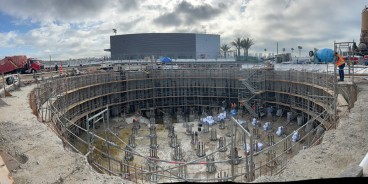

Artificial Ground Freezing: Applications, Techniques, and Key Considerations
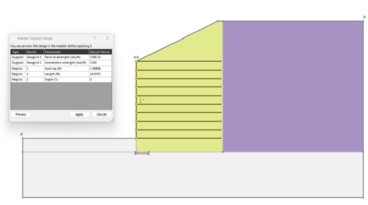
Stop Guessing, Start Designing: Introducing Support Designer in Slide2
Development program prepares new engineers for success