
UK regulators strengthen oversight for geological disposal of radioactive waste
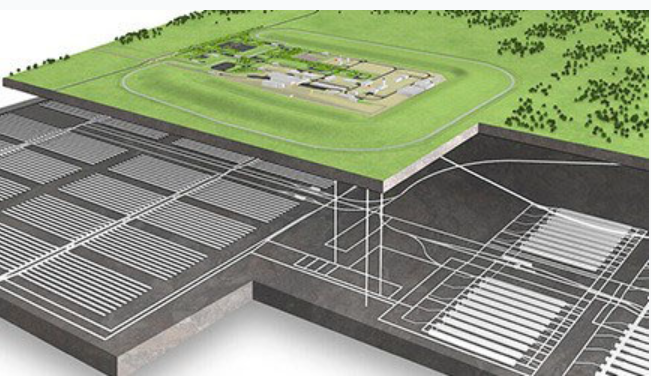
The Environment Agency and the Office for Nuclear Regulation (ONR) have released a joint report summarizing their coordinated efforts to oversee the development of the United Kingdom’s Geological Disposal Facility during 2024–2025. Their work focuses on ensuring that any future facility designed to store higher-activity radioactive waste will meet strict environmental, safety, and security standards.
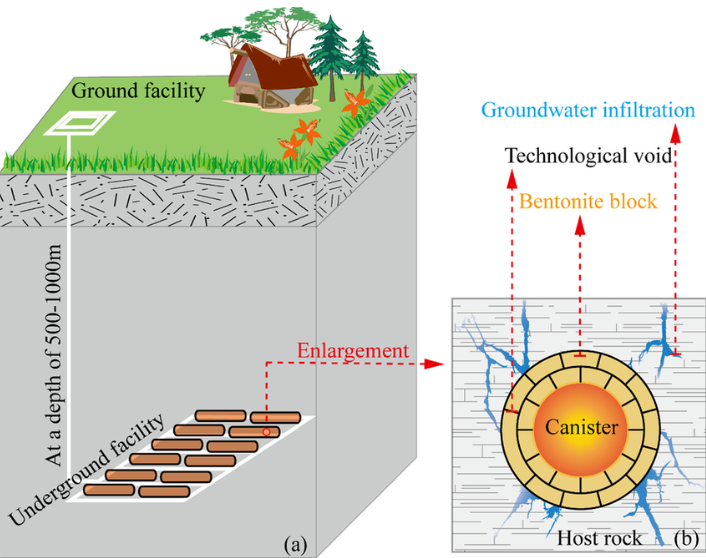
The Environment Agency’s EA2030 plan outlines commitments to a cleaner environment, sustainable growth, and climate resilience. This aligns with ONR’s mission to safeguard society through effective regulation of nuclear operations. Geological disposal represents the final stage in the responsible management of nuclear waste, providing long-term containment deep underground to protect air, land, and water.
Key regulatory priorities highlighted in the report:
• Protect people and the environment through robust environmental permits and a nuclear site licence.
• Maintain transparency with communities through regular engagement and accessible guidance.
• Coordinate early with the developer to clarify expectations before formal applications.
During 2024–2025, the regulators engaged extensively with Nuclear Waste Services, focusing on pre-application advice, review of site descriptive models, and preparation for intrusive investigation permits expected around 2028. The Environment Agency reviewed studies in Copeland and Theddlethorpe to assess geological and hydrogeological conditions. Although the Theddlethorpe Community Partnership concluded in 2025, Copeland remains under evaluation. Engagement with communities continues so that roles, processes, and safeguards are clearly understood. The regulators’ pre-application focus includes clarifying the scope and conditions for intrusive investigations, reviewing descriptive models, aligning safety case development with environmental requirements, and ensuring disposability advice to waste producers remains consistent with evolving safety standards.
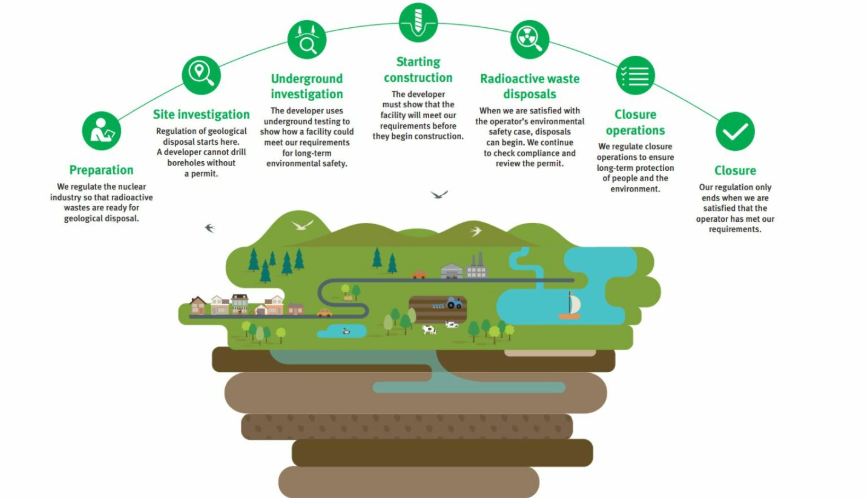
The Environment Agency is strengthening its technical capacity ahead of permitting through staff development, updated guidance, and international knowledge exchange. ONR is refining its technical assessment guides and aligning Safety and Security Assessment Principles for future GDF operations. Nuclear Waste Services has integrated its former organisational units into a single entity to support consistent safety case development, requirements management, and records assurance. Regulators will continue to scrutinize these developments to ensure compliance with environmental and nuclear safety law. Future efforts will include guidance updates following consultations, further engagement with communities in potential host areas, and readiness reviews of management systems and data quality. This staged approach ensures that every step, from site characterization to construction and eventual closure, upholds the principles of safety, transparency, and environmental protection.
Sources: gov.uk, onr.org.uk
Want to read more like this story?

Sweden’s 100,000-Year Plan for Safe Nuclear Waste Disposal
Mar, 19, 2025 | NewsSweden is leading the way in nuclear waste management, with two major projects that will shape the...

Building Tunnels Responsibly: A Dual Approach to Risk
Jun, 27, 2025 | NewsAs we live in an era where tunnelling and underground technologies are rapidly gaining traction wor...
Sweden expands underground rock caverns for radioactive waste storage
Jul, 07, 2026 | NewsSweden is moving ahead with a major underground expansion of the SFR final repository for short live...
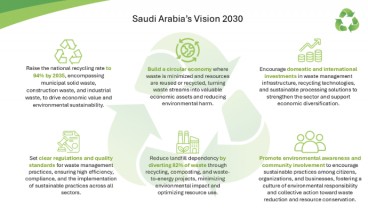
Vision 2030 drives sustainable waste management transformation across Saudi Arabia
Apr, 01, 2026 | NewsSaudi Arabia is advancing its transition toward a circular economy under Vision 2030, with waste ma...
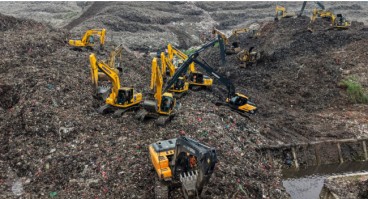
Indonesia’s waste and mining slopes under pressure: Deadly landfill collapse in Bekasi and industrial landslide in Morowali
Mar, 09, 2026 | NewsA major waste landslide at the Bantargebang Integrated Waste Processing Site (TPST) in Bekasi, West...

Bentley Systems: Reversing a Culture of Waste Report
Jan, 21, 2016 | NewsGeoengineer.org is excited to present Bentley Systems Report on reversing the culture of waste. The...
Landfill Engineering
Jun, 05, 2019 | EducationLandfills are engineered systems that contain solid waste. They may be operated as pits in the grou...

Mining waste disposal: A challenging issue
Mar, 04, 2019 | NewsThe time for Mining industry to change its approach about waste disposal techniques has arrived....
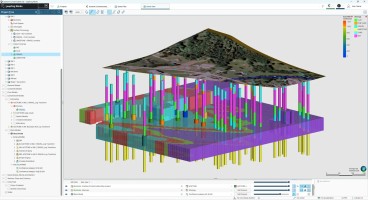
Brownfield success: Engineering excellence starts below ground
May, 06, 2026 | NewsWhy environmental and geotechnical teams must unite data and work as one to better manage risks in b...
On This Day
August 4th 2014
READ MORE
Related Video

Trending

New crustal stress map of North America

Using Terzaghi’s Equation in Foundation Design

Parameters Variation: Model Customization and Sensitivity Analyses

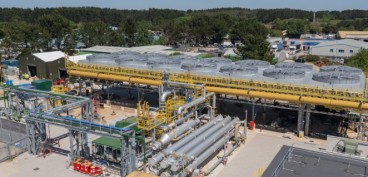
UK geothermal projects expand from Cornwall power to Birmingham heating
Nepal’s Himalayan settlements face escalating flood and landslide threats