MGB experts assess Cebu ports for soil instability after September earthquake
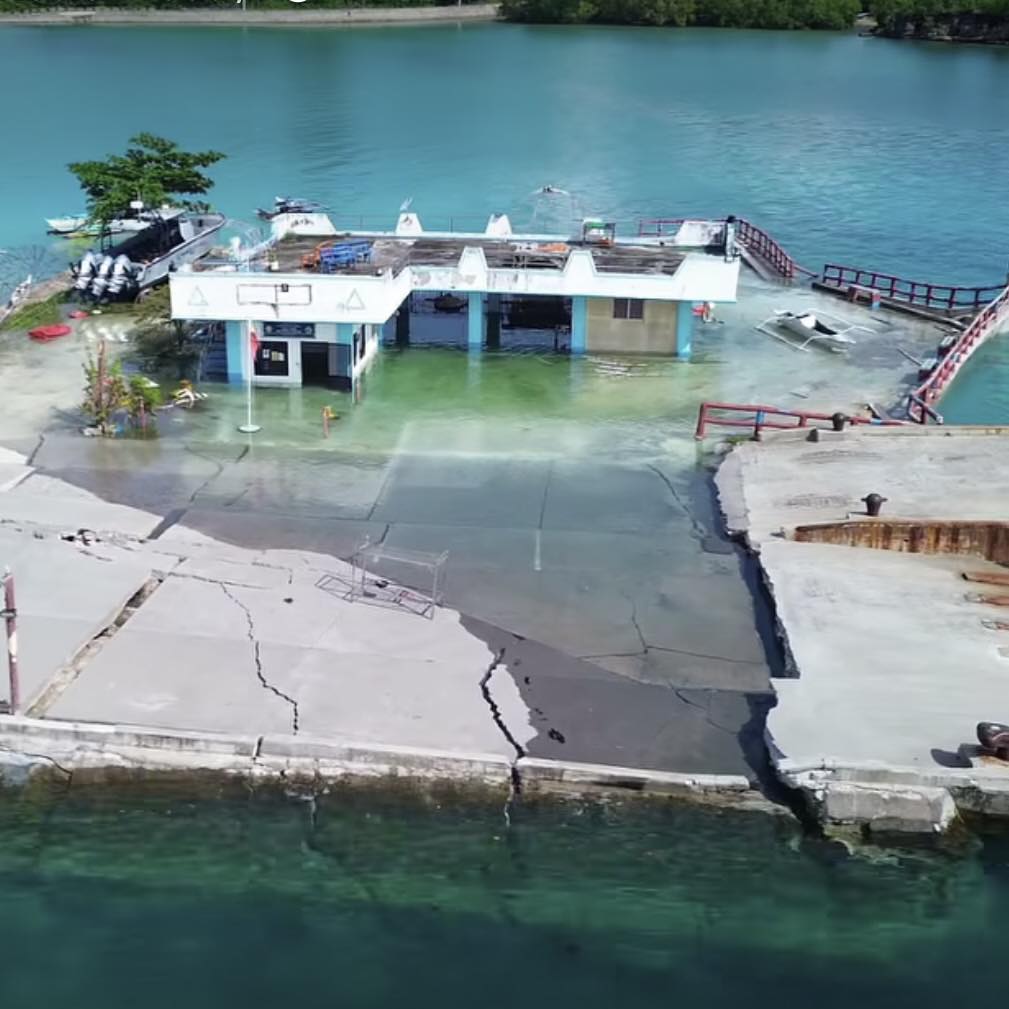
The Cebu Port Authority (CPA) has requested the Mines and Geosciences Bureau (MGB-7) of the Department of Environment and Natural Resources (DENR) to conduct a Geological Site Scoping on port areas affected by the 6.9-magnitude earthquake that struck Cebu on 30 September 2025.
According to CPA General Manager Francisco Commendador III, the assessment is essential to ensure that repair and rehabilitation works at damaged port facilities are guided by solid geotechnical data and expert analysis. “It’s really important that we rely on the expertise of our colleagues from DENR, especially MGB-7. There’s a genuine concern that if the hazard assessments reveal serious issues like soil instability or unsuitable locations, some ports might not be safe to keep operating,” Commendador said.
He added that the geological review will identify key risks, such as soil liquefaction, ground subsidence, or site instability, and help determine whether existing port locations remain viable for long-term operations. “If we ignore these risks, we might waste resources on repairs that won’t last and, more importantly, put people in danger. It’s better to know early so we can explore other options,” he noted.
The Geological Site Scoping will deploy MGB-7 experts to assess geotechnical stability, evaluate hazard susceptibility, and recommend necessary mitigation measures before reconstruction begins. The initiative aims to ensure that rehabilitation proceeds only on safe, stable foundations that comply with national safety and engineering standards.
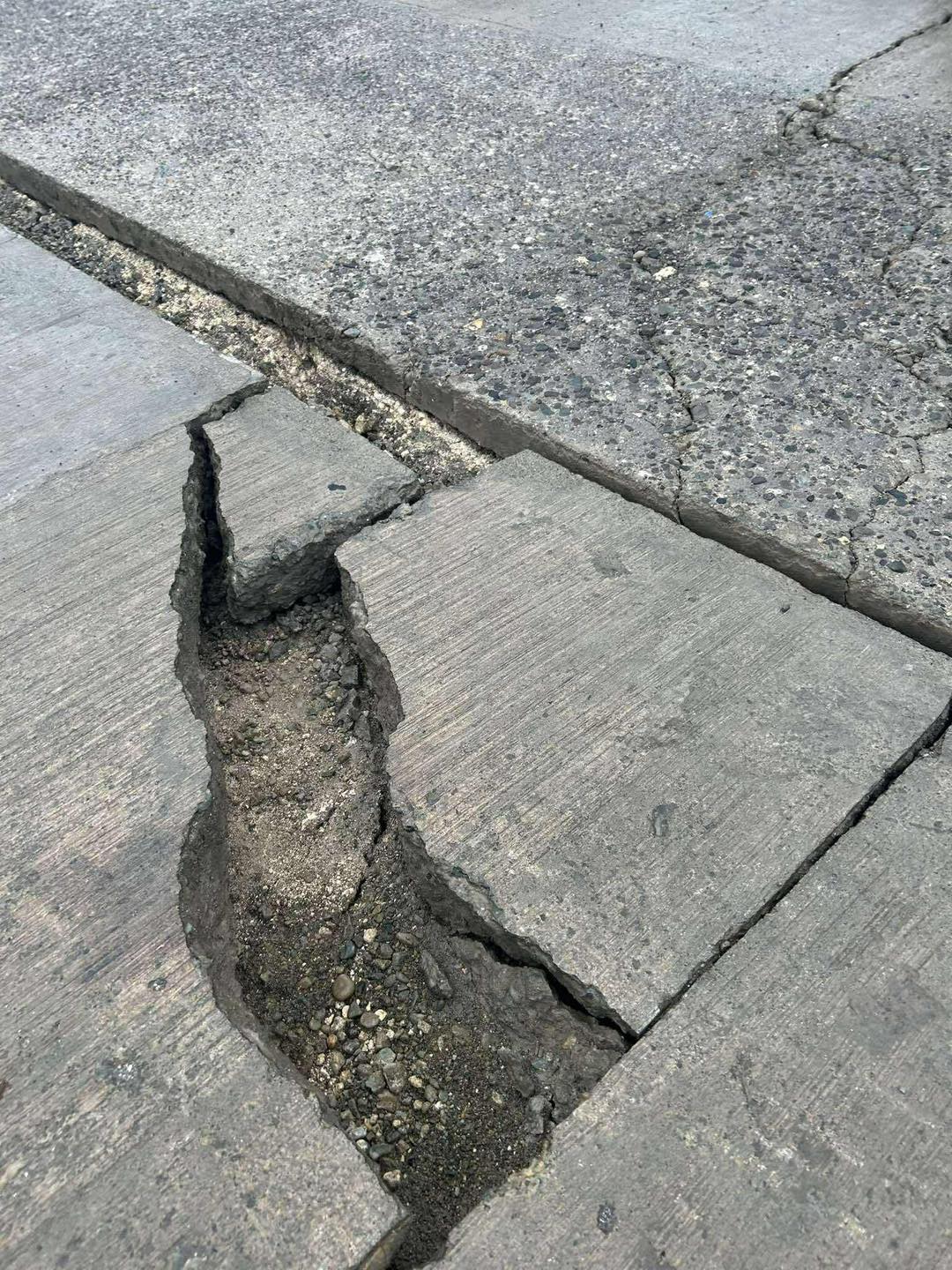
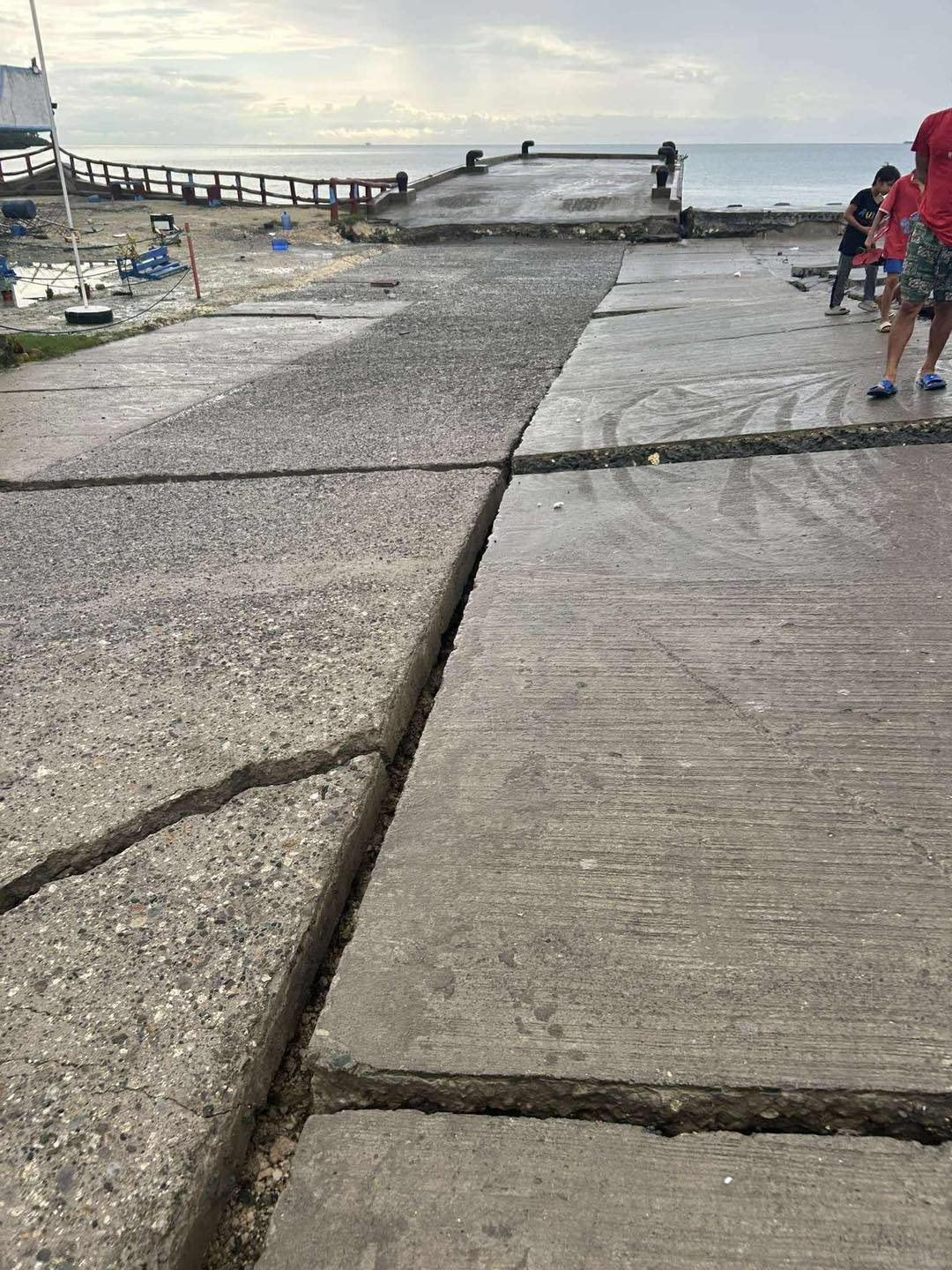
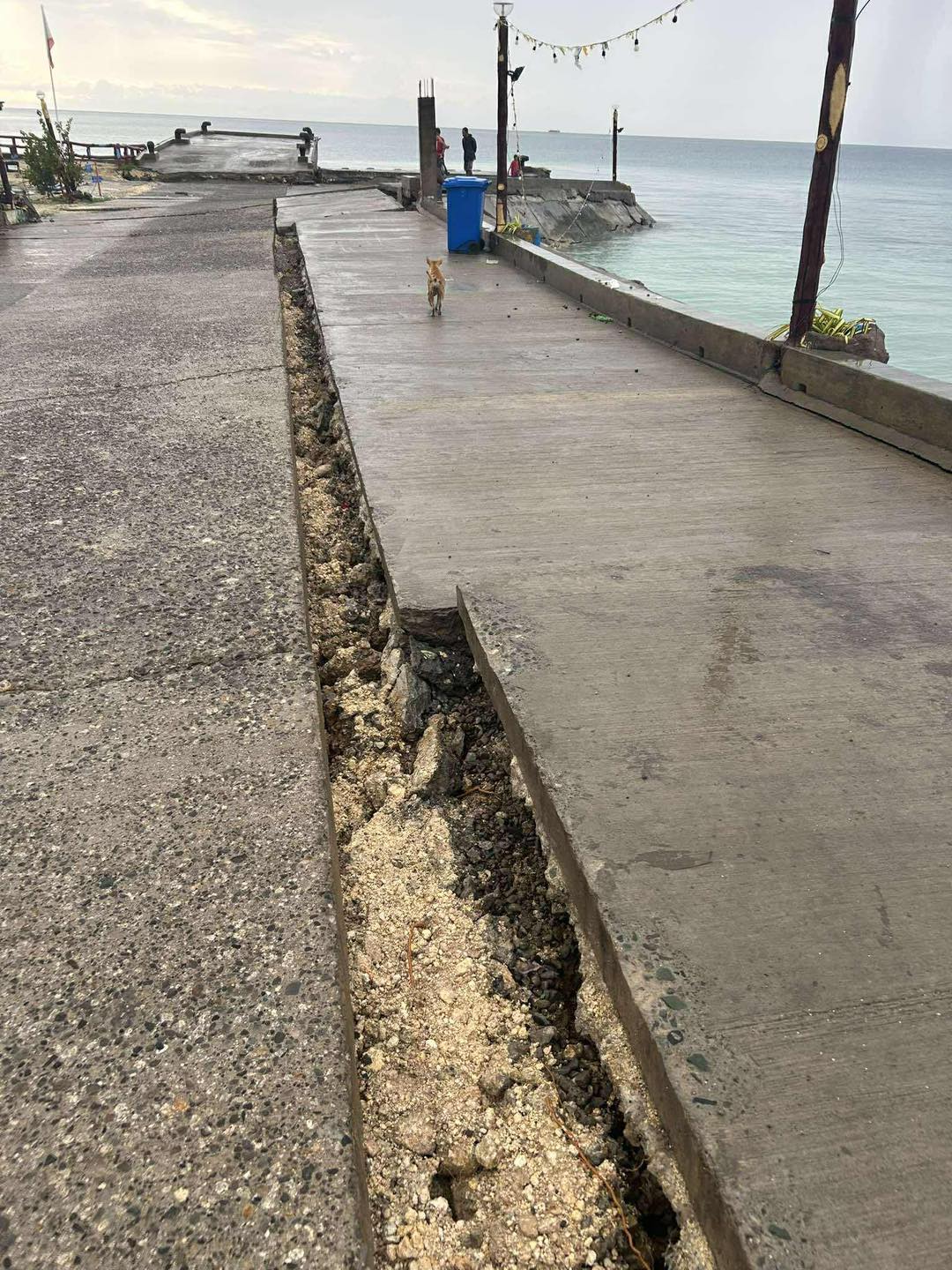
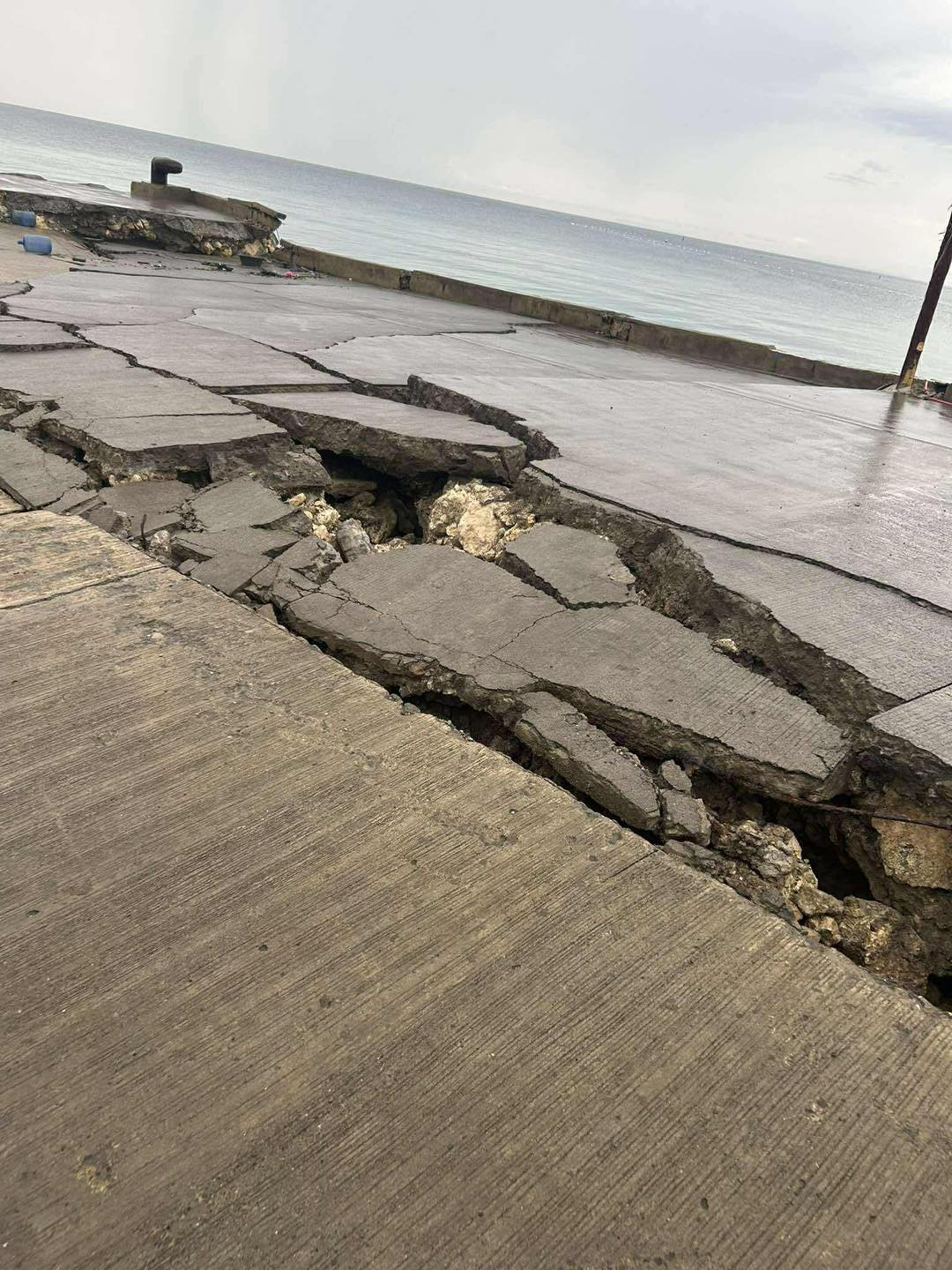
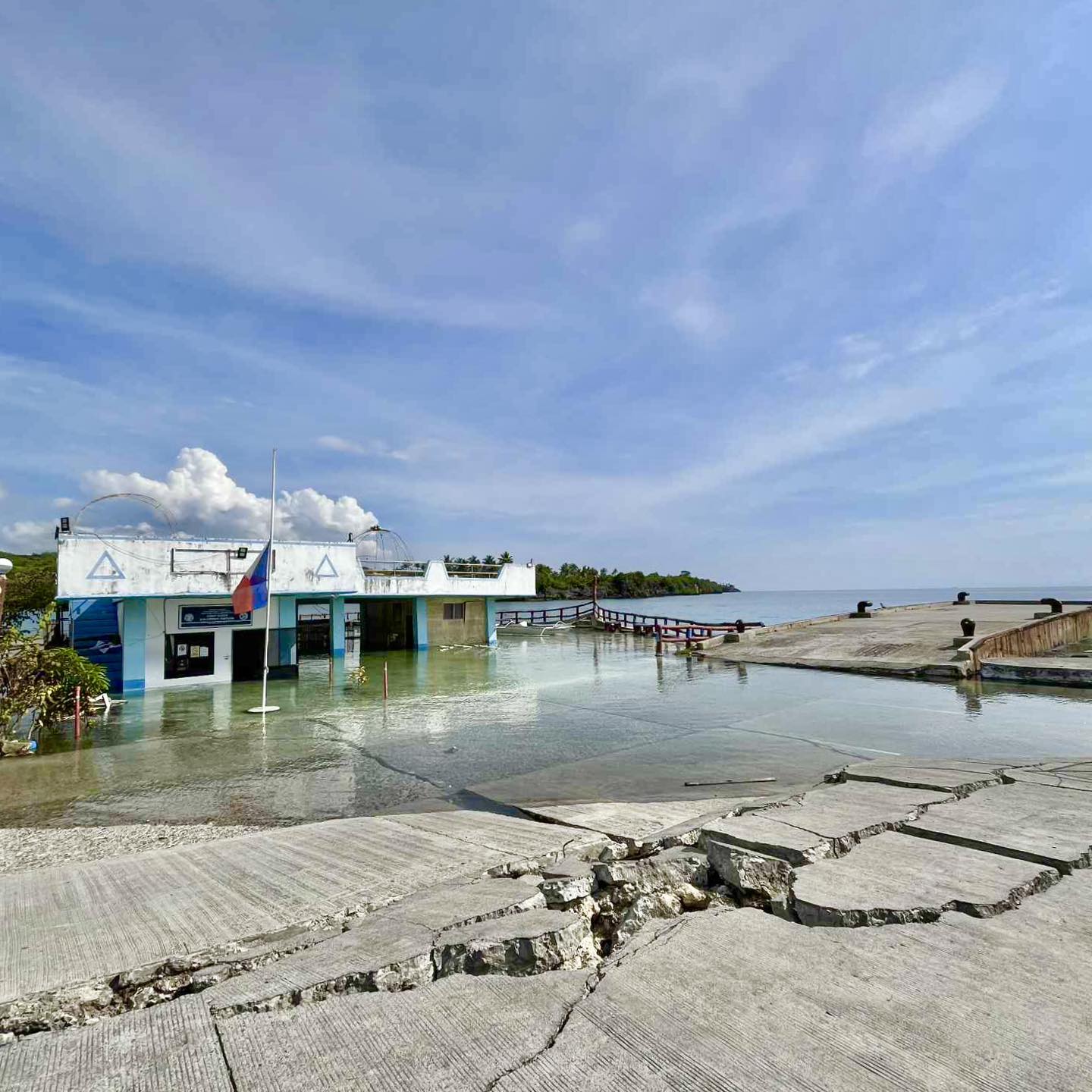
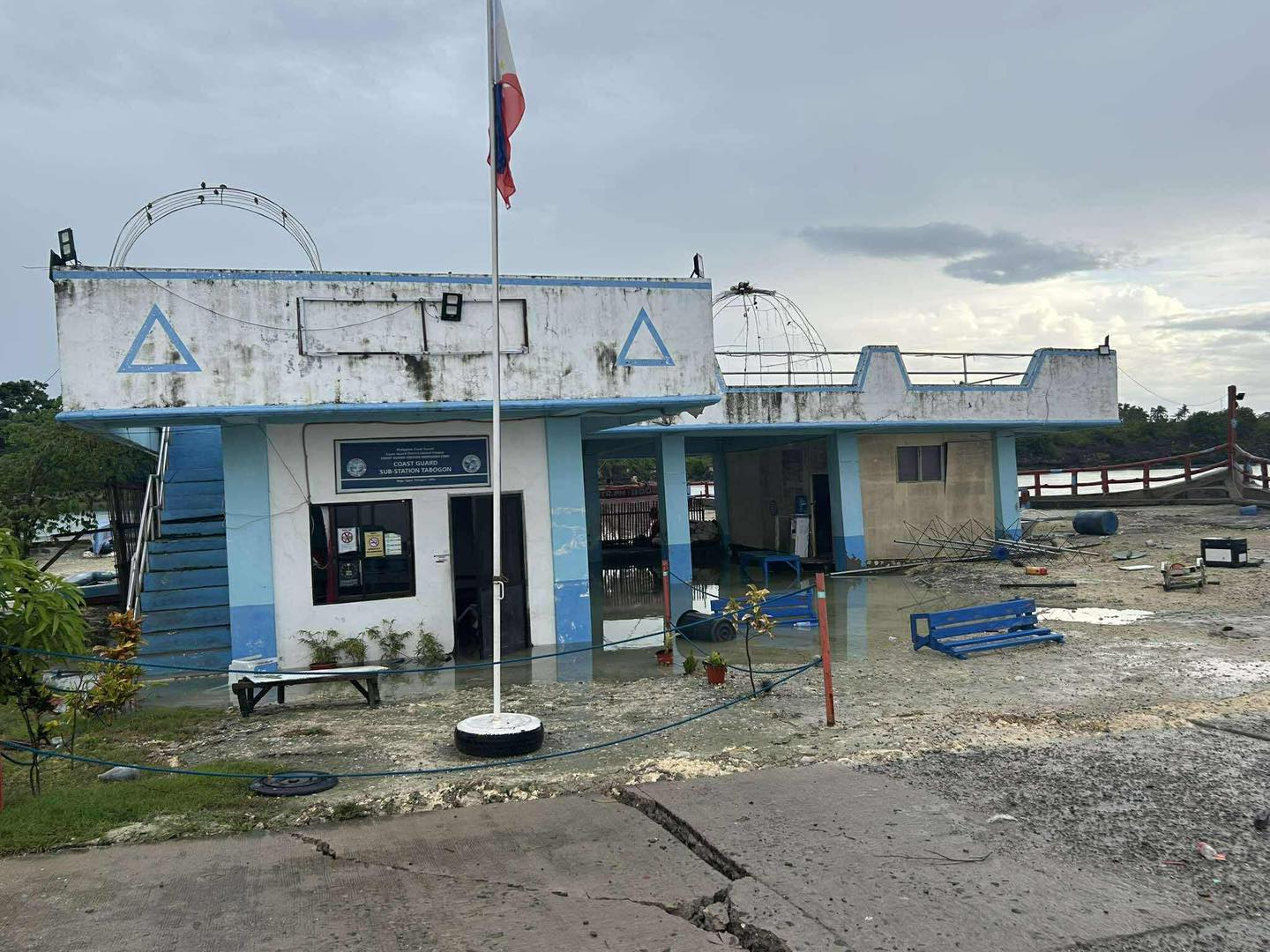
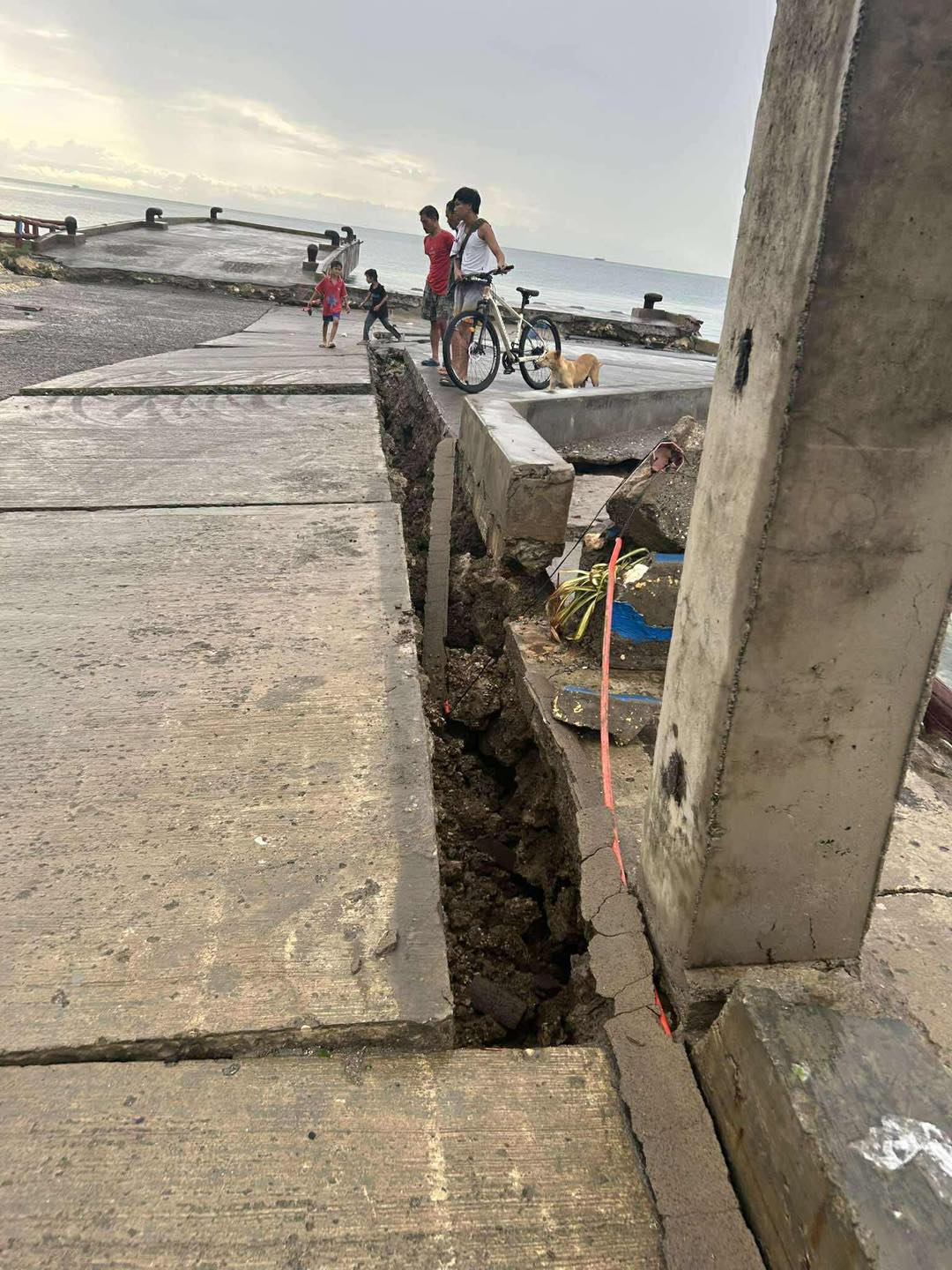
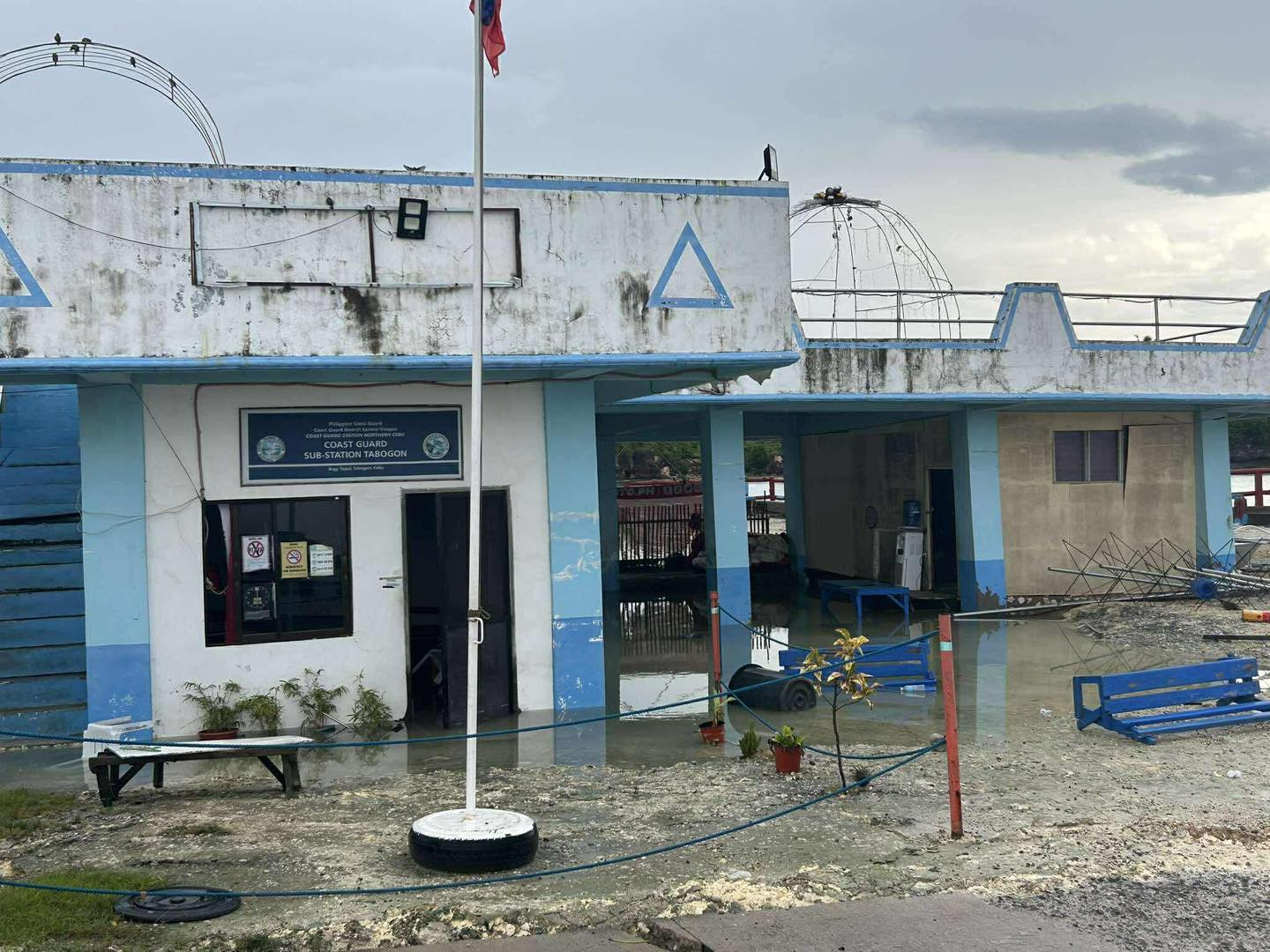
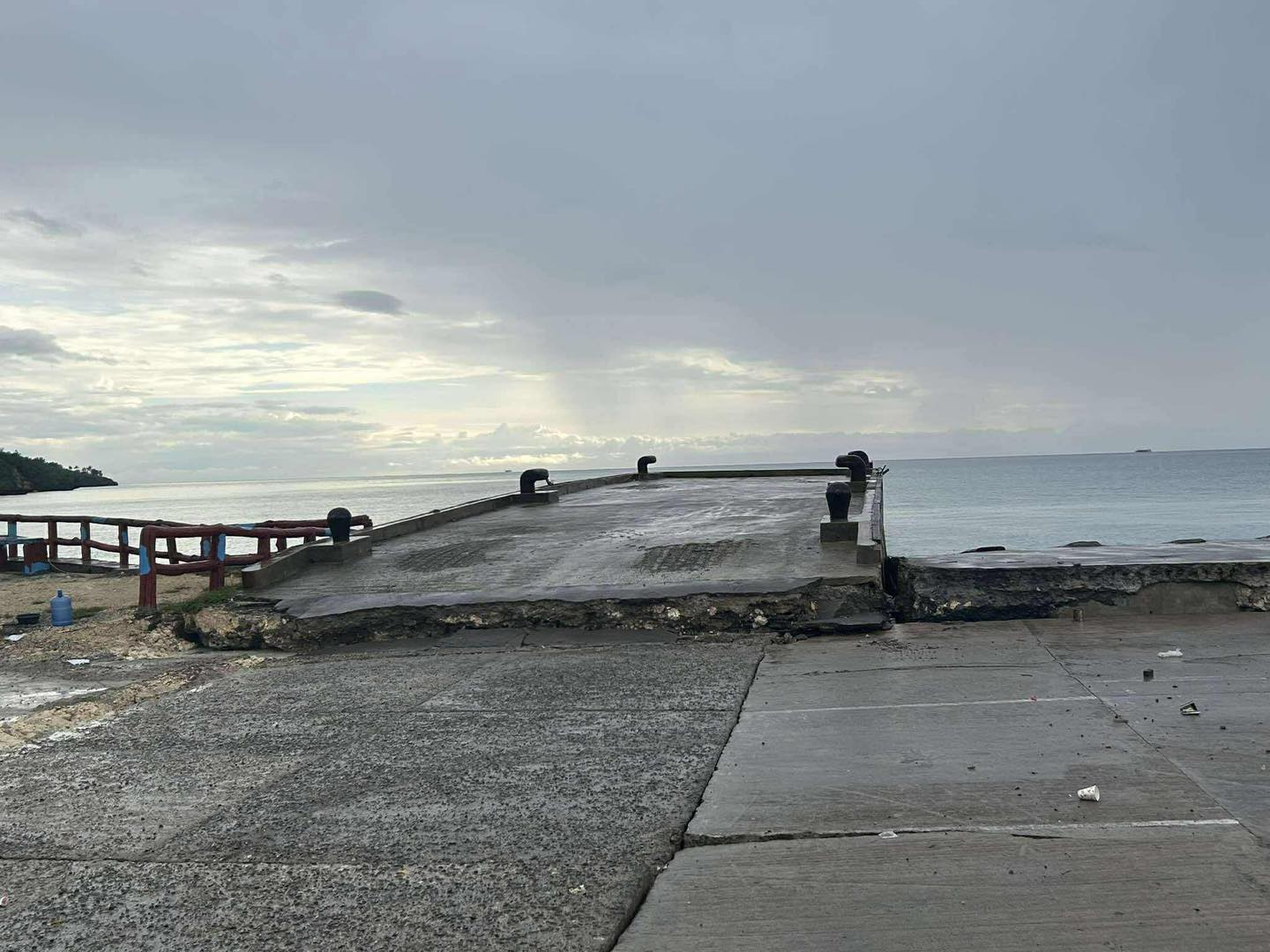
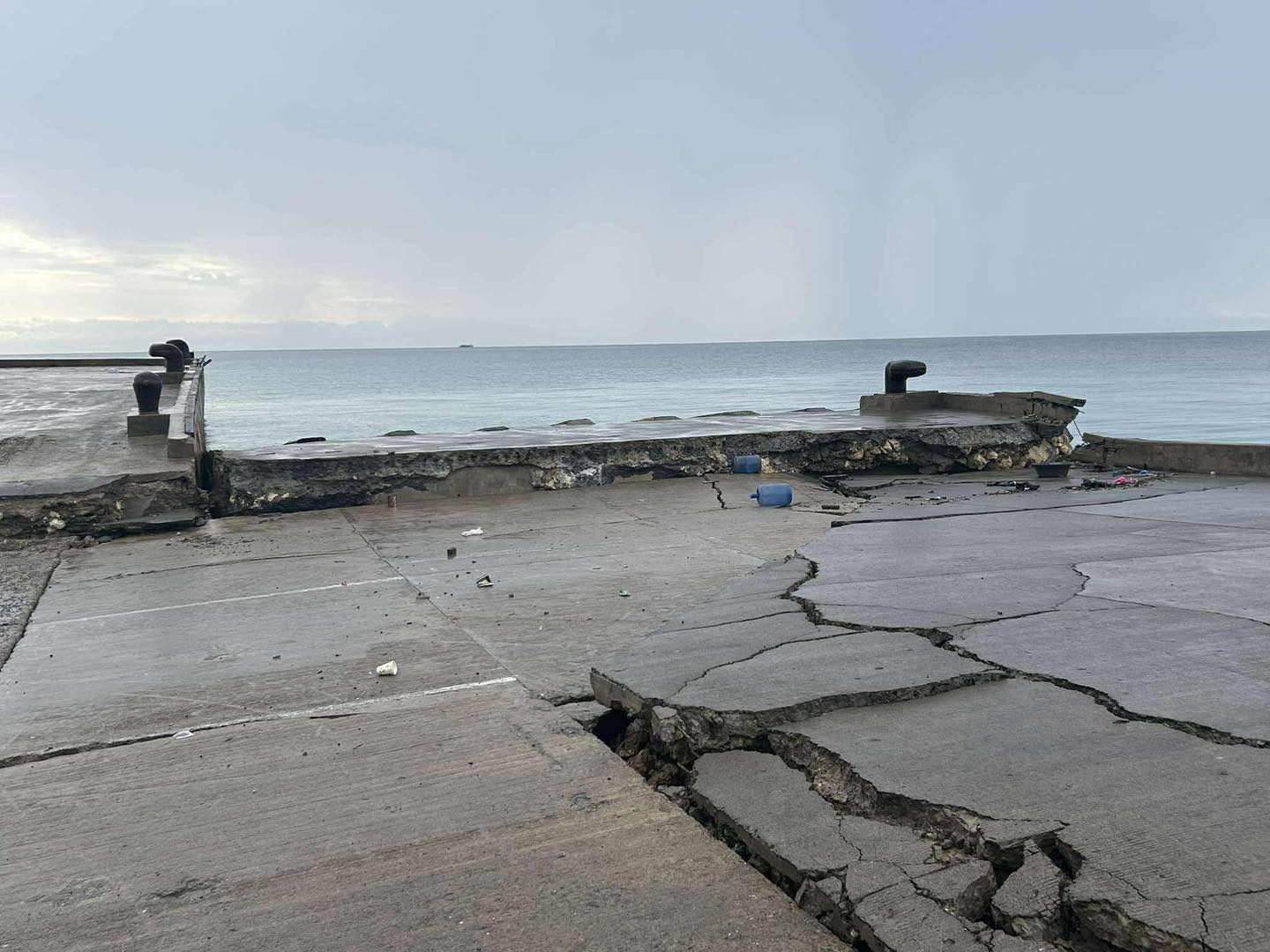
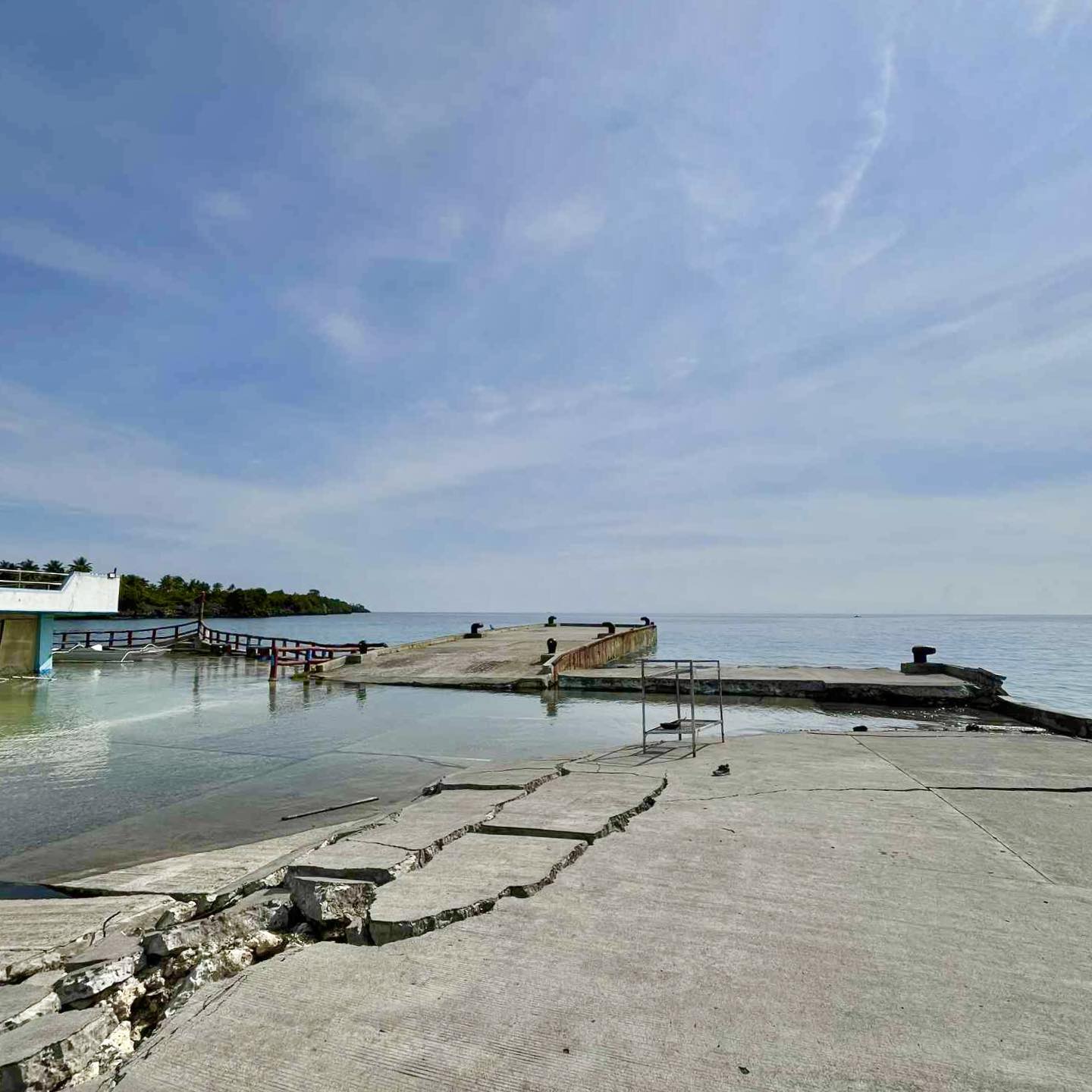
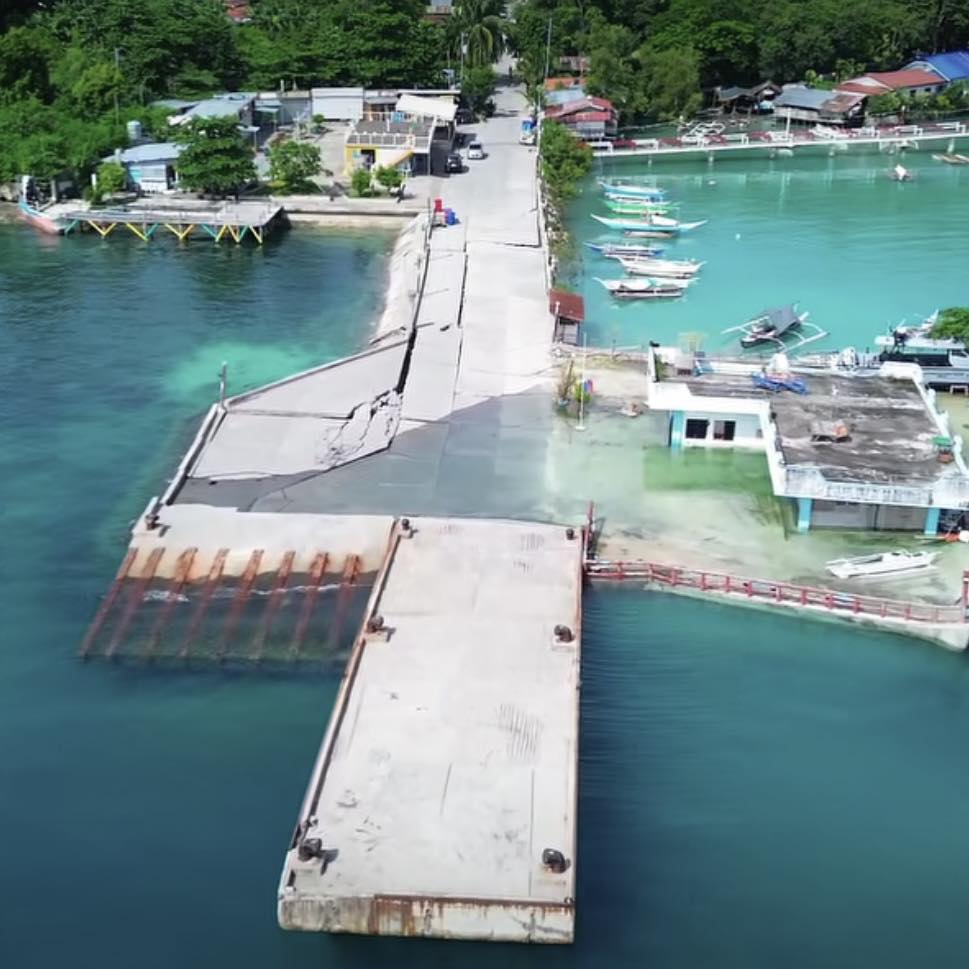
One of the hardest-hit facilities is the Tabogon Port in northern Cebu, which sustained extensive structural damage from the earthquake. Another affected site is the Hagnaya Port in San Remigio, a vital passenger and cargo terminal linking Cebu mainland to Bantayan Island. While Hagnaya remains operational, seawater has begun to encroach on portions of the docking area during high tide, prompting temporary adjustments.
Additional concerns have also been reported from ports in Bogo City and Daanbantayan, where visible ground changes and minor structural distress have been observed. The CPA has requested urgent technical assistance from MGB-7 to assess these locations, identify geological threats, and propose remedial actions to prevent further deterioration.
Commendador stressed that the agency’s collaboration with MGB-7 is crucial for protecting both lives and infrastructure. “This technical guidance is vital to avoid unsafe investments and to protect crucial infrastructure that supports the northern Cebu economy and inter-island transportation,” he said.
Source: Tribune Philippines
Image Gallery
Want to read more like this story?
Cebu Earthquake: Province Declares State of Calamity After Deadly Quake
Oct, 01, 2025 | NewsA powerful magnitude 6.9 earthquake struck the central Philippines on Tuesday night, killing at lea...

Geotechnical challenges at Santorini port access road
Mar, 19, 2026 | NewsAccess to Santorini’s main port at Athinios has been temporarily suspended following a new rockfall...

Cephalonia earthquake, preliminary damage observations from Geoengineer.org's geotechnical engineer
Feb, 05, 2014 | NewsOne of Geoengineer.org's geotechnical engineers visited the island of Cephalonia,Greece, only two d...
Landslide and liquefaction mapping becomes critical after major quakes
Jun, 29, 2026 | NewsRecent major earthquakes in Venezuela and the southern Philippines have highlighted an important les...

Second Major Earthquake hits Cephalonia island in Greece; causes significant damage; information hub established on GeoWorld; updates to follow
Feb, 03, 2014 | NewsA new Mw 5.7 earthquake hit Cephalonia at 5:08 am on February 3rd 2014, less than 10 days after the...

Seismic Shock: Magnitude 7.3 Earthquake Unleashes Destruction in Vanuatu
Dec, 17, 2024 | NewsOn December 17, 2024, the South Pacific island nation of Vanuatu was rocked by a powerful magnitude...
Grindavík, Iceland safe zones cleared for phased construction as hazard mapping advances
Oct, 05, 2025 | NewsIn Grindavík, Iceland, local officials are calling for swifter progress on town reconstruction foll...

Landslide at Cebu City landfill kills one, exposes waste slope stability risks
Jan, 08, 2026 | NewsA fatal landslide struck the Cebu City landfill in Barangay Binaliw on January 8, 2026, claiming th...

Deadly M6.6 earthquake hits Kos Island, Greece
Jul, 23, 2017 | NewsTwo people have been killed and about 200 have been injured due to the earthquake that occurred near...
On This Day
August 4th 1906
READ MORE
Trending
Seven Frequently Asked Questions about Helical Piles

Block caving: A new mining method arises

Categories of isolated foundation footings
Maharashtra's longest road tunnel to be completed soon

Carnian Pluvial Episode: That time when it rained for 1-2 million years
Major wastewater tunnel procurement begins in southern Sweden