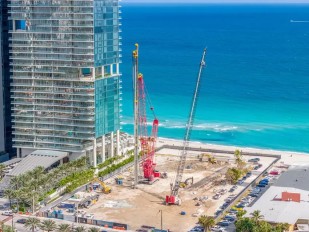
EV's: Driving Demand for Lithium Sponsored
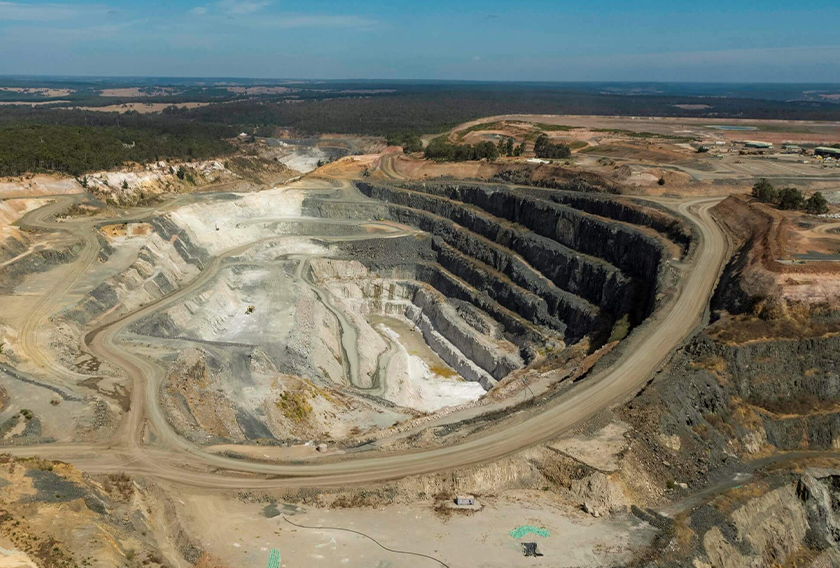
I’m sure in recent weeks you’ve opened your favourite news source and seen a headline mentioning Electric or Hybrid cars. Whether it’s news about Tesla’s latest factory or governmental policies aimed to phase out gas-powered vehicles, it’s hard to go a day without mention of Lithium-ion batteries.
As an engineer or geologist, looking beneath the surface of these articles (no pun intended), you hold a unique perspective on the topic of electric vehicles and increased lithium production could change the mining industry in the years to come.
With a vested interest in advancing the mining industry through innovative geotechnical software tools, we will be listening to the needs of mining companies and focusing on how we can help fulfil them.
Why do we need lithium?
When was the last time the batteries in your TV remote died? Do you remember how inconvenient it was to get up to change the channel? You’ve just answered the question of why we need lithium.
Lithium-ion batteries have been all around us for years, powering everything from Gameboys to cordless drills. Today, one of the main driving forces for lithium production is Electric Vehicles (EVs). The International Energy Agency (IEA) expects EVs to increase from 4 million vehicles produced in 2018 to 120 million by 2030.
In 2020, 0.41 million metric tones of Lithium Carbonate Equivalent (LCE) was produced and in 2021, production increased by 32% to 0.54 million metric tons. Globally, the demand for lithium is expected to grow at an annual rate of 33.3%. McKinsey estimates that batteries will account for 95 percent of the lithium demand by 2030.
How is lithium mined and processed?
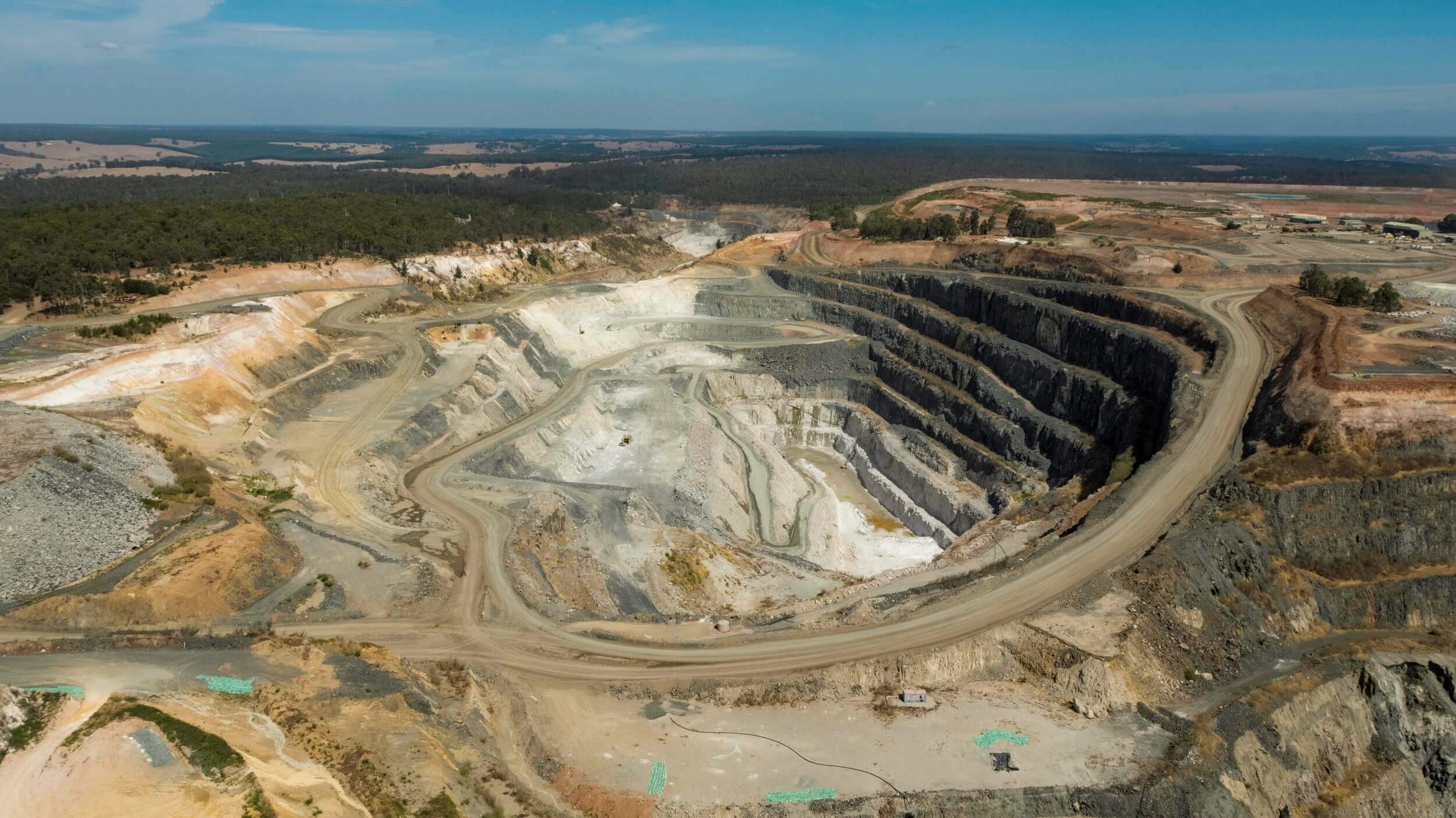
Lithium can be found either in underground brine reservoirs (known as salars) or mineral ore deposits.
To extract lithium from salars, salt-rich water is pumped to the surface and into a series of evaporation ponds. Throughout the following months, water and salts precipitate out leaving the brine with an increased lithium concentration.
A slurry of hydrated lime (Ca(OH)2) is often added to precipitate out unwanted elements like magnesium and boron. When the lithium concentration reaches a certain point, it is pumped to a recovery facility to extract the metal.
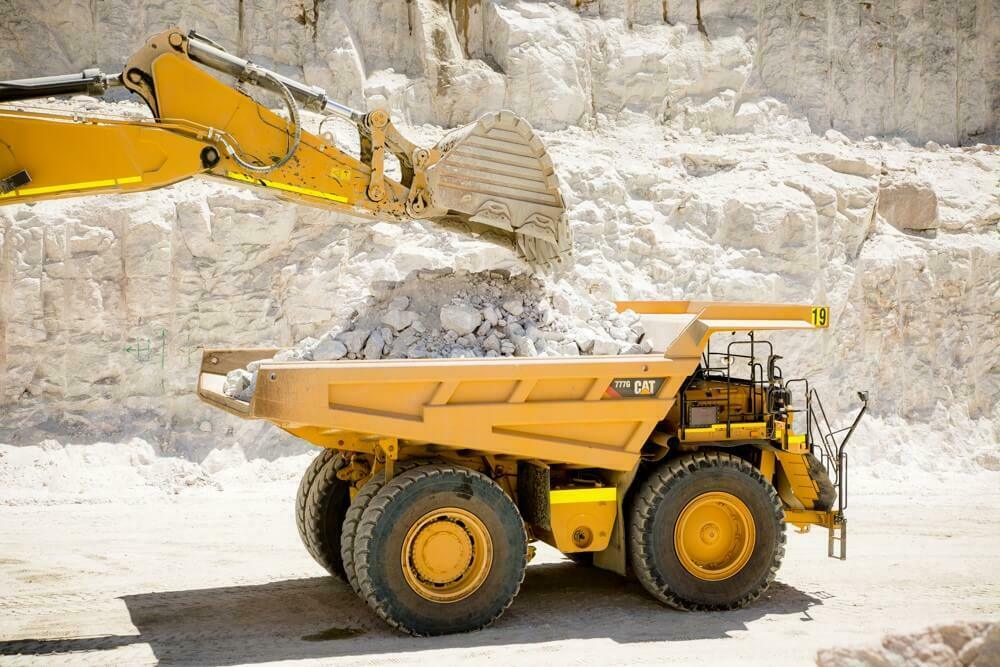
Lithium can also be extracted through hard-rock mining. Currently, only five minerals are used for commercial lithium extraction: spodumene, lepidolite, petalite, amblygonite, and eucryptite, with spodumene being the most abundant and yielding majority of the lithium.
Where is lithium mined?
In 2020, 98 percent of lithium production occurred in Australia, Latin America, and China.
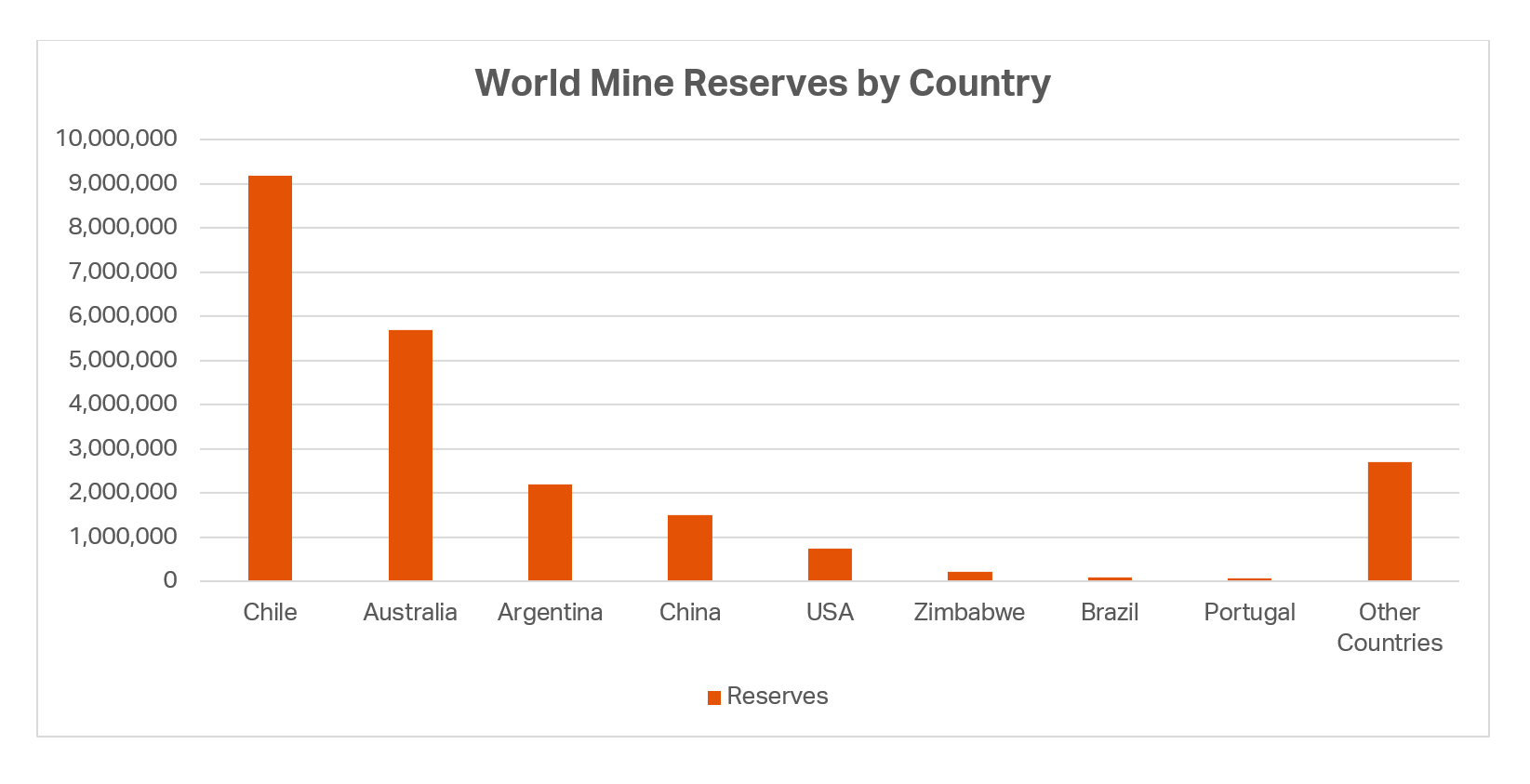
Brine-based mining mainly occurs in Chile, Argentina, Bolivia, China, and the USA. Hard-rock mining is primarily done in Australia, with the largest lithium mine being the Greenbushes mine in southwestern Australia.
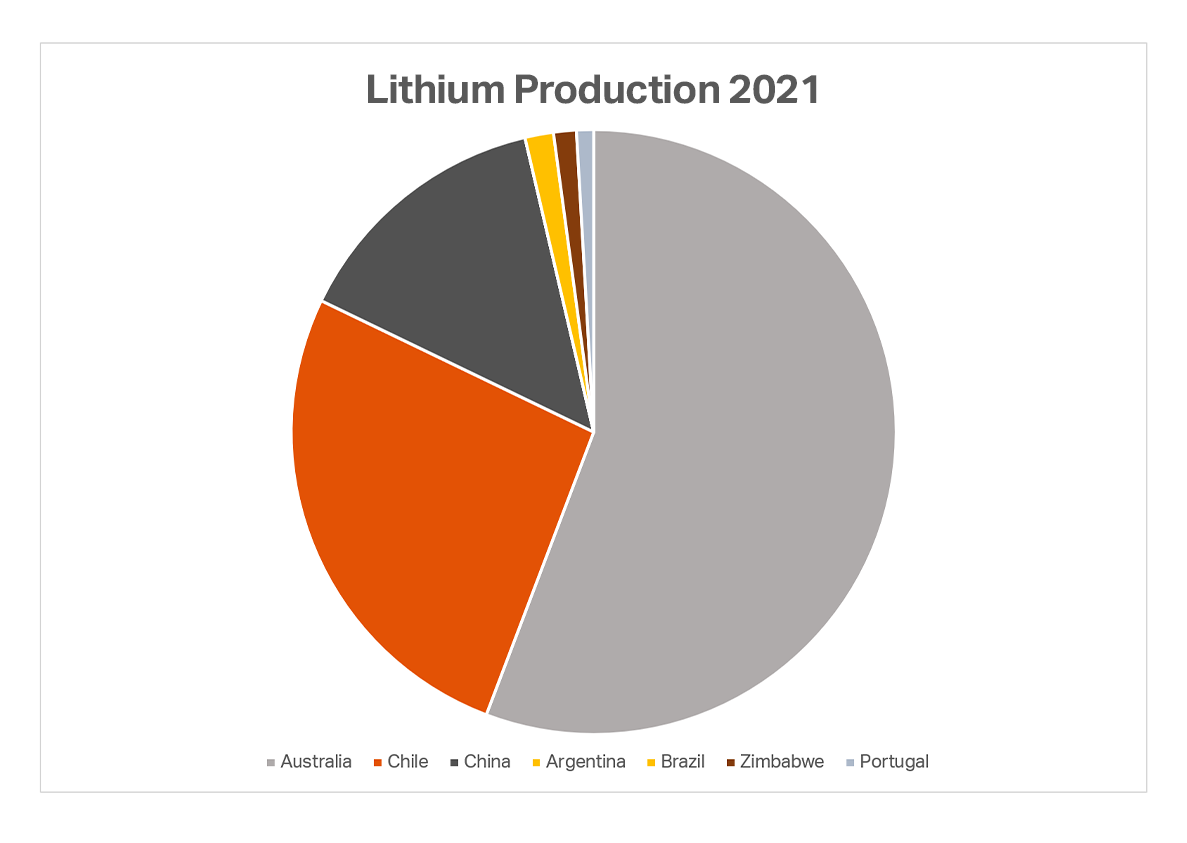
Lithium Production in 2021 by Country (tons) | |
Australia | 55,000 |
Chile | 26,000 |
China | 14,000 |
Argentina | 6,200 |
Brazil | 1,500 |
Zimbabwe | 1,200 |
Portugal | 900 |
What will be the future of lithium mining?
There is no doubt that lithium mining will be rapidly increasing in the next decade to meet the expected demand for EVs. It will be interesting to watch how mining companies continue to optimize their processes to improve the cost efficiency and overall effectiveness of lithium production.
In the coming years, it will become even more imperative to use geotechnical tools to help identify the best methods for maximizing ore extraction as well as monitoring and analyzing the stability of these mines to ensure operations aren’t impacted by slope failures or changing groundwater conditions.
Regardless of what material you’re mining, Rocscience has a suite of geotechnical software tools that can help you efficiently model and analyze the stability of your mines.
Discover the Rocscience Suite of Mining Programs!
Want to read more like this story?

California’s Salton Sea identified to contain one of the world’s largest lithium reserves
Nov, 22, 2023 | NewsA group of researchers recently published their study concerning a vast geothermal lithium reserve...

Lithium beneath a supervolcano: Geologic processes behind the $1.5 trilion McDermitt Caldera discovery
Dec, 02, 2025 | NewsThe confirmation of an exceptionally large lithium deposit within the McDermitt Caldera is reshapin...

Geotechnical Slope Design for Lithium Deposits in a Shifting Market Landscape
May, 07, 2025 | NewsAs the demand for lithium continues to rise, particularly from the electric vehicle and renewable e...

Mining waste disposal: A challenging issue
Mar, 04, 2019 | NewsThe time for Mining industry to change its approach about waste disposal techniques has arrived....
UK’s first geothermal power station begins operation in Cornwall
Feb, 28, 2026 | NewsThe United Downs geothermal power plant in Cornwall has officially begun generating electricity, ma...

Bentley Webinar | Working with Sub-level Stope Mining in PLAXIS 3D
Aug, 23, 2022 | EventWhen mining from the surface is no longer feasible due to depleting deposits at certain depths, ope...

Six Lost in Chilean Mine: Seismic Shock Triggers Collapse
Aug, 01, 2925 | NewsOn August 1, 2025, a collapse at Chile’s El Teniente mine claimed the lives of six workers and inju...

India's Coal Surge: Record Production and Future Demands
Aug, 01, 2024 | NewsRecord-Breaking Coal Production India has achieved a significant milestone in its coal production,...
Deadly mining landslide in Central African Republic raises safety concerns
Jun, 10, 2026 | NewsAt least eight artisanal gold miners were killed after a landslide struck the Konyeme mining site in...
Form
Looking for more information? Fill in the form and we will contact Rocscience Inc. for you.
On This Day
July 14th 2015
READ MORE
Related Video

Trending

Lake Chippewa’s floating island that has to be boat-pushed every year

How to Model Piles in PLAXIS

3 Types of Retaining Walls and Revetments


How Do Dams Trigger Earthquakes?
Nepal’s Himalayan settlements face escalating flood and landslide threats