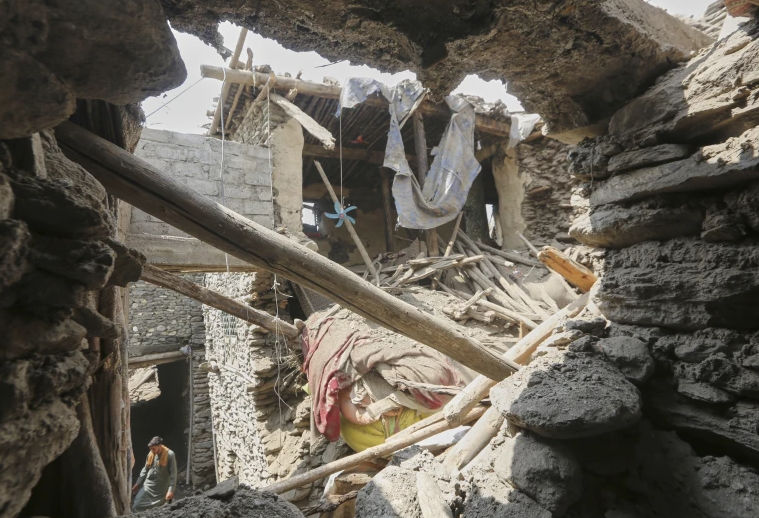
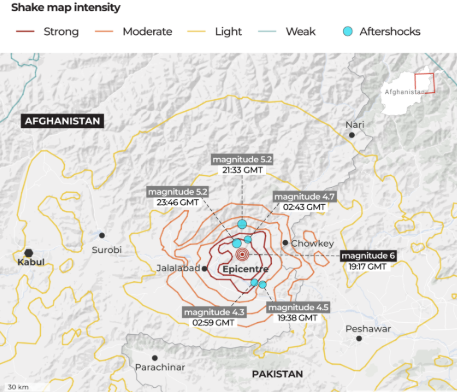
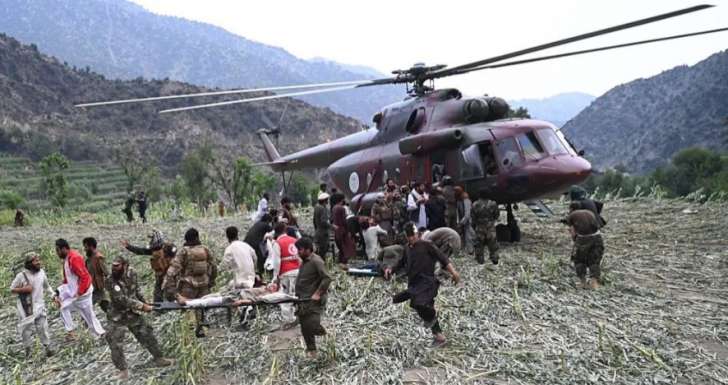
Afghanistan Earthquake Kills Over 1,400: Impact of Terrain and Construction

Sources: apnews.com, aljazeera.com, bbc.com
Want to read more like this story?

Seismic Devastation in Tibet: Earthquake Claims Hundred's of Lives and Crumbles Infrastructure
Jan, 07, 2025 | NewsA catastrophic earthquake struck the remote Tingri County in Tibet on January 7, 2025, causing wide...

Powerful 6.3-magnitude earthquake strikes Northern Afghanistan, triggering landslides and widespread damage
Nov, 03, 2025 | NewsA powerful earthquake with a magnitude of 6.3 struck northern Afghanistan early on November 3, 2025...

Earthquakes in Italy Leave 250 Dead; Rescue Efforts Continue
Aug, 24, 2016 | NewsEarly Wednesday morning, a magnitude 6.2 earthquake struck central Italy. Some of the most heavily a...

M 6,0 seismic shock hits China causing at least 3 fatalities
Sep, 15, 2021 | NewsAt least 3 people have died after a M6.0 struck southwestern China. The seismic shock occurred on S...

Deadly 7.7 magnitude earthquake leaves thousands displaced in Indonesia
Aug, 15, 2026 | NewsA powerful 7.7 magnitude earthquake has struck Indonesia’s Flores region, killing at least 53 people...

Two powerful earthquakes hit China: Reports of 3 people dead
May, 21, 2021 | NewsTwo separate, strong earthquakes that struck in China have resulted in, at least, 3 fatalities. The...
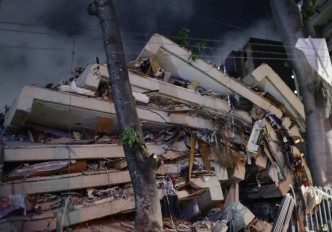
Venezuela earthquakes leave hundreds dead as rescue teams search collapsed buildings
Jun, 25, 2026 | NewsVenezuela has declared a state of emergency after two powerful earthquakes struck the country, causi...

Alaska rocked by M7.0 earthquake as aftershocks intensify, raising infrastructure risks
Dec, 07, 2025 | NewsA magnitude 7.0 earthquake struck near Yakutat, Alaska, triggering more than 160 aftershocks within...

7.0 magnitude earthquake rattles China near border with Kyrgyzstan
Jan, 23, 2024 | NewsNorthwest China’s Xinjiang region was rattled by a powerful 7.0 Mw earthquake at 2:09 a.m. local ti...
On This Day
August 26th 2017
READ MORE
Related Video

Trending
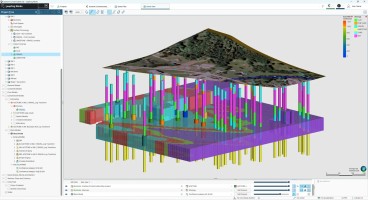
Brownfield success: Engineering excellence starts below ground

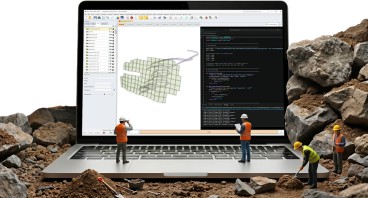
Scripting Comes to RS3: Automate, Customize, and Accelerate Your 3D Modelling

2D and 3D Analysis of Retaining Systems

Mine waste dam failure in Myanmar caught on video
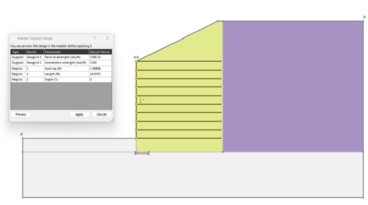
Stop Guessing, Start Designing: Introducing Support Designer in Slide2
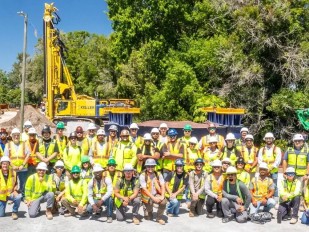
Development program prepares new engineers for success